IDCPC News


On the afternoon of June 16th, Ma Hui, Vice-minister of the International Department of the CPC Central Committee (IDCPC), attended the dialogue of civilizations between think tanks from China and Latin America and the Caribbean (LAC), themed “a shared transoceanic horizon: towards a shared path of governance and civilization.” The event was jointly hosted by the IDCPC, China Global TV Network (CGTN), and the Capital Museum.

Ma said that Chinese civilization is distinguished by its continuity, innovation, unity, inclusiveness and peaceful nature. Putting the people first constitutes the fundamental value orientation of Chinese civilization; diversity within unity is its defining characteristic; and harmony is its spiritual essence. The Global Civilization Initiative (GCI) proposed by President Xi Jinping contributes China’s solution to advancing human civilization and promoting world peace and development. Exchanges between Chinese and Latin American civilizations date back a long time. Against the backdrop of accelerating changes unseen in a century, China and LAC countries should jointly implement the GCI, and advance the five programs of solidarity program, development program, civilization program, peace program and people-to-people connectivity program in building a China-LAC community with a shared future. The two sides should strengthen dialogue and cooperation, deepen mutual learning, set an example of harmonious coexistence and mutual prosperity among different civilizations, and make greater contributions to the progress of their respective civilizations as well as to world peace and development.
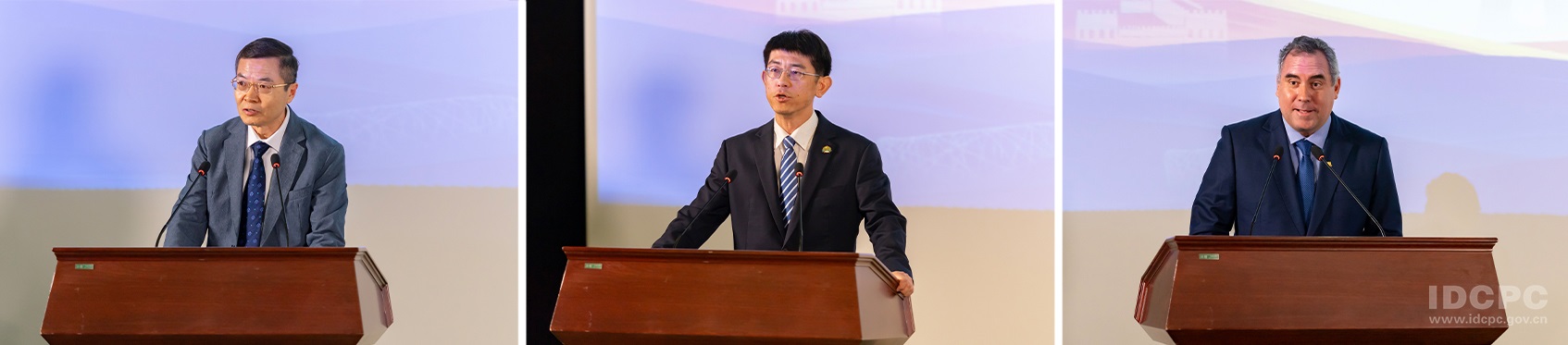
Chinese and foreign scholars attending the dialogue noted that both China and LAC boast long and splendid civilizational histories, and that their civilizational philosophies are highly compatible. Under the current international circumstances, different civilizations should pursue greater understanding and less prejudice, more cooperation and less confrontation. Civilizational dialogue and exchanges of governance experience among countries have become increasingly important. China and LAC should strengthen people-to-people and academic exchanges, jointly address common challenges, contribute to the building of a China-LAC community with a shared future, and promote a more balanced, multipolar and commonly developed world.
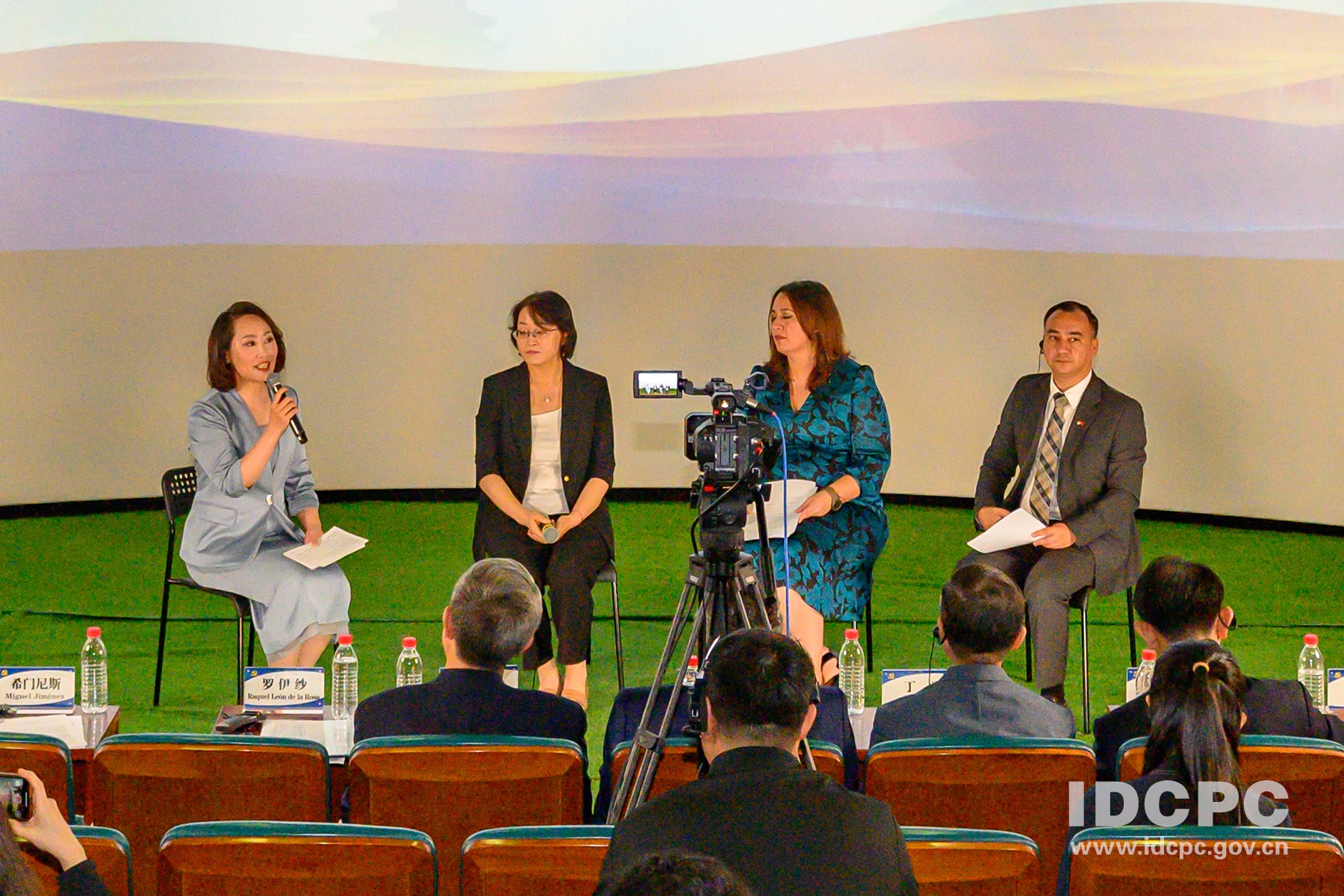
The dialogue was attended by 26 think tank scholars from 15 LAC countries, including Brazil, Argentina and Mexico; diplomats to China from Venezuela, Panama, Mexico, Brazil, Argentina and Colombia; as well as approximately 90 experts and representatives from relevant IDCPC departments, CGTN, the National Cultural Heritage Administration, the Foreign Affairs Office of Beijing Municipal Government, the Capital Museum and other institutions. Before the dialogue, Chinese and foreign guests visited a Grand Exhibition of Ancient Maya and Andean Civilizations and the permanent exhibition on the history of Beijing at the Capital Museum.


Follow us:







Copyright © 2003 International Department of Central Committee of CPC. All rights reserved.
Email:info@idcpc.org.cn